
<<Scroll down for English>>
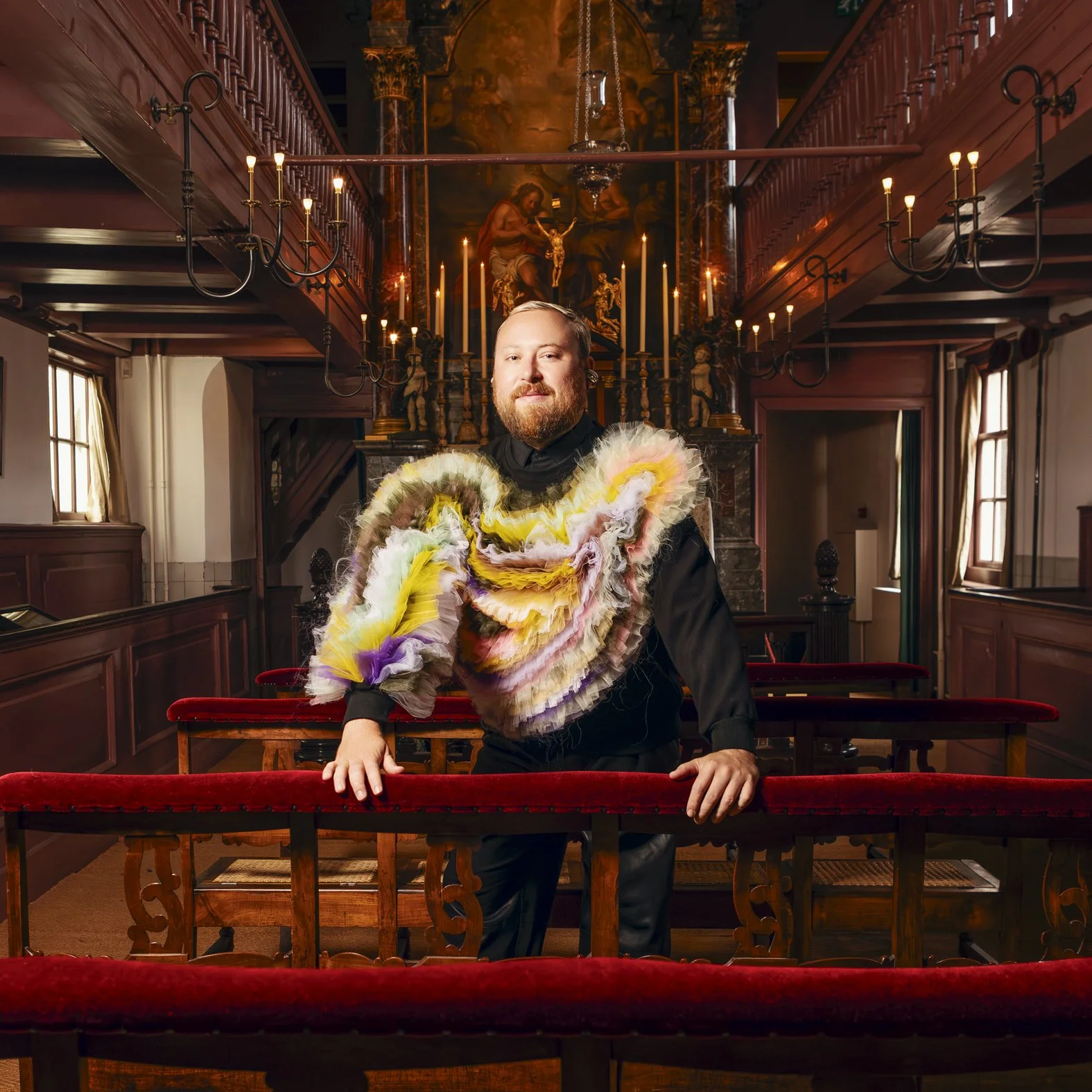
Marco Dreijer (1990) zet zich op social media niet alleen in voor de culturele sector en de queercommunity, maar ook voor body positivity. Volgers zien hem in modieuze outfits bij premières én in zijn ondergoed terwijl hij zich omkleedt.
“Ik had altijd al wel het gevoel dat ik ongewoon energiek ben.”
Wie Marco Dreijer volgt op Instagram, weet dat het waar is. Marco is altijd in de weer. Dan een voorstelling, dan een opening, dan een podcast-opname, dan een interview. En altijd filmen. Als De Cultuurvlogger neemt Marco zijn volgers mee op pad door cultureel Nederland. Dat doet hij nu bijna tien jaar.
“Mensen vragen vaak: hoe doe je wat je allemaal doet? Voor mij is dit heel gewoon. Ik deed altijd meer dan de meeste anderen. Op de basisschool al. Na school ging ik naar het Nationaal Jeugd Musical Theater op de Baarsjesweg. Dansles, zangles, taples, noem maar op. En in de weekends tourde ik in jeugdmusicals door Nederland.”
Het was een safe space in een wereld waar school dat niet was. Die musicalopleiding, zegt Marco, is ‘levensreddend’ geweest.
Want het pesten waarmee hij als kind in Amsterdam-Noord mee te maken had was erg - en kwam van meerdere kanten. “Elke dag, door kinderen én docenten”, vat hij samen. “Bij een schrijfopdracht in groep zes kwam de lerares achter me staan. Ze hield mijn blaadje omhoog. ‘Zo hoort het niet,’ zei ze, en scheurde het papier doormidden. Dit terwijl ze wist dat ik in de klas gepest werd. En daarnaast waren er de kinderen in mijn buurt, die me bij de bushalte stonden op te wachten als ik van balletles kwam. Voor kinderfeestjes werd ik bijna niet uitgenodigd.”
Opnieuw in therapie
Marco speelde in jeugdvoorstellingen van onder meer De Tovenaar van Oz, Assepoester en Kruistocht in Spijkerbroek. Dat deed hij tot zijn achttiende - toen moest er een ommezwaai naar volwassen rollen worden gemaakt en ontdekte Marco dat hij van auditeren niet blij wordt. “Dat is niets voor mij. Optreden wel, daar genoot ik van. Maar mezelf de hele tijd moeten bewijzen… Ik besefte: dit wil ik niet jarenlang blijven doen. Met alle afwijzing en onzekerheid die erbij komt kijken.”
Toch zit er nog steeds ergens bewijsdrang bij hem. “Eigenlijk ben ik constant keihard aan het produceren om mezelf alsnog online de hele tijd te laten zien.”
“In mijn hoofd voel ik nog steeds vaak: ik hoor er niet bij. Stel dat er een theatervoorstelling opent waarvan ik weet dat ‘ie volledig is uitverkocht, en ik ben niet uitgenodigd. Dan zou ik moeten denken: de zaal zit vol, er was geen plek meer. Maar op sommige dagen denk ik: dit betekent einde carrière, ik heb het niet goed genoeg gedaan.”
Vorig jaar ging hij opnieuw in therapie. “Ik was al te lang te hard aan het werken en een vriendschap eindigde heel abrupt. Daardoor crashte ik een beetje. Ik voelde: er zit gewoon nog steeds heel veel in mij waardoor ik nu vastloop.” Het grootste inzicht dat therapie hem tot dusver gaf? “Dat ik ook zonder alles wat ik doe best een goed mens ben. Dat moet ik alleen hardop tegen mezelf blijven zeggen.”
Nooit uit de kast
Opgroeien in Noord voelde voor Marco niet alsof hij in de stad werd grootgebracht. “Noord was natuurlijk nog niet wat het nu is, met alle clubs en hippe restaurants. En toen we begonnen met uitgaan, deden veel mensen dat eerder in Zaandam dan op het Leidseplein. Mijn opa en oma kwamen zelfs nooit in het centrum.”
“Mijn moeder ging vroeger uit in de iT en de Roxy en haar beste vriend was gay”
Bij zijn familie hoefde hij niet uit de kast te komen. “Het was gewoon duidelijk. Mijn moeder ging vroeger uit in de iT en de Roxy en haar beste vriend was gay. Als kind ging ik met haar naar de Canal Parade. Aan mijn broertje en mij vroeg ze altijd: ‘Hebben jullie al een vriendinnetje of vriendje?’ Mijn broertje en ik kunnen niet meer van elkaar verschillen - hij is een stoere jongen die vroeger op straat hing en nu als beveiliger werkt. Ook hij is er helemaal oké mee dat ik queer ben: hij zal niet uit zichzelf uitgaan op de Reguliersdwarsstraat, maar als ik mijn verjaardag daar vier is hij er gezellig bij.”
Sinds eind 2024 heeft Marco zijn eerste relatie. Zijn vriend woont echter niet in Amsterdam, maar in Barcelona. “We bellen bijna elke dag en zoeken elkaar vaak op. Als we in Barcelona hand in hand lopen kijkt helemaal niemand naar ons om. Hier heb je mensen die kijken, roepen of opmerkingen maken. Dan denk ik weleens: is dit nou mijn Amsterdam? Het voelt niet als de stad waar ik ben opgegroeid.”
Onveilig op straat voelt hij zich niet. “Dat komt deels door mijn pesters. Ik weet hoe ik een goeie stoot terug moet uitdelen en deins er niet voor terug om me groot te maken en terug te schelden. Dat is niet gespeeld. Ik word écht boos, want mijn emmer zit op dat gebied gewoon vol. Als kind reageerde ik vaak agressief. Dat heeft me meermaals in de problemen gebracht met docenten en de politie. Zij kenden natuurlijk niet het hele verhaal. Ik ben uiteindelijk naar een kinderpsycholoog gegaan. Dat was goed voor me, maar een kringgesprek in de klas zou nog beter zijn geweest.”
“Ik schrik er minder van dan vrienden als er op straat naar ons geroepen wordt, merk ik. Zo gewend ben ik het van vroeger. Maar ik heb bijvoorbeeld geen regenboogvlag aan mijn raam hangen. Ik heb liever niet dat mensen weten: daar woont een lhbtqia+’er. Dan zou ik me onveiliger voelen.”
Ondanks de queervriendelijkheid van Barcelona, is het ‘niet mijn stad’, zegt Marco. Misschien komt zijn partner ooit deze kant op; hij heeft hier meerdere goeie vrienden wonen. Voor nu is dat niet aan de orde. De twee leerden elkaar twee zomers geleden kennen op het Amsterdamse queer festival Tropikali. “Ik was er helemaal niet mee bezig dat hij in Spanje woonde, want ik had niet verwacht dat we serieus zouden gaan daten. Maar het latten bevalt prima. Soms koken we hetzelfde recept terwijl we met elkaar FaceTimen. Dan eten we soort van samen, heel cute.”
Dansen als hoofddoel
Ook op relationeel vlak heeft het pesten zijn sporen nagelaten. “Een tijd geleden bezocht ik mijn vriend in Wenen op een feest waar hij draaide als dj. Hij werd omringd door bekenden en ik dacht algauw: hij heeft het heel gezellig en ik val buiten de groep. Ik besloot terug te gaan naar het hotel, waarop hij vroeg: ‘Wat doe jij?’ Toen ik hem vertelde dat ik hem niet wilde storen, zei hij: ‘We zijn hier samen hè.’ Dat was een goeie les voor mij. Ik ben geneigd om te denken dat ik iemand anders tot last ben en mezelf uit de situatie te verwijderen.”
Marco heeft een relatie hiervoor nooit bewust afgehouden. “Ik kwam denk ik over alsof ik niet openstond voor anderen. Ik was altijd druk, altijd bezig. Ook met uitgaan ben ik niet per se benaderbaar, meestal sta ik ergens op een podium of verhoging - al is het dus op Tropikali toch gelukt. Uitgaan betekent voor mij één ding: dansen. Niet sociaal doen, niet mensen versieren. Op dit vlak ben ik totaal niet onzeker: ik weet dat ik kan dansen en ben goed met kleding. Als ik daar sta, voel ik me fijn en vrij. Dat geldt vooral voor queer en queer-friendly plekken. Op grote feesten waar bijvoorbeeld ook cishetero dagjesmensen komen, voel ik toch algauw dat er op een andere manier naar me gekeken wordt. Niet eens per se oordelend. Maar wel: dit ben ik niet gewend, dit ken ik niet.”
“Ik wil laten zien: elk lichaam is mooi”
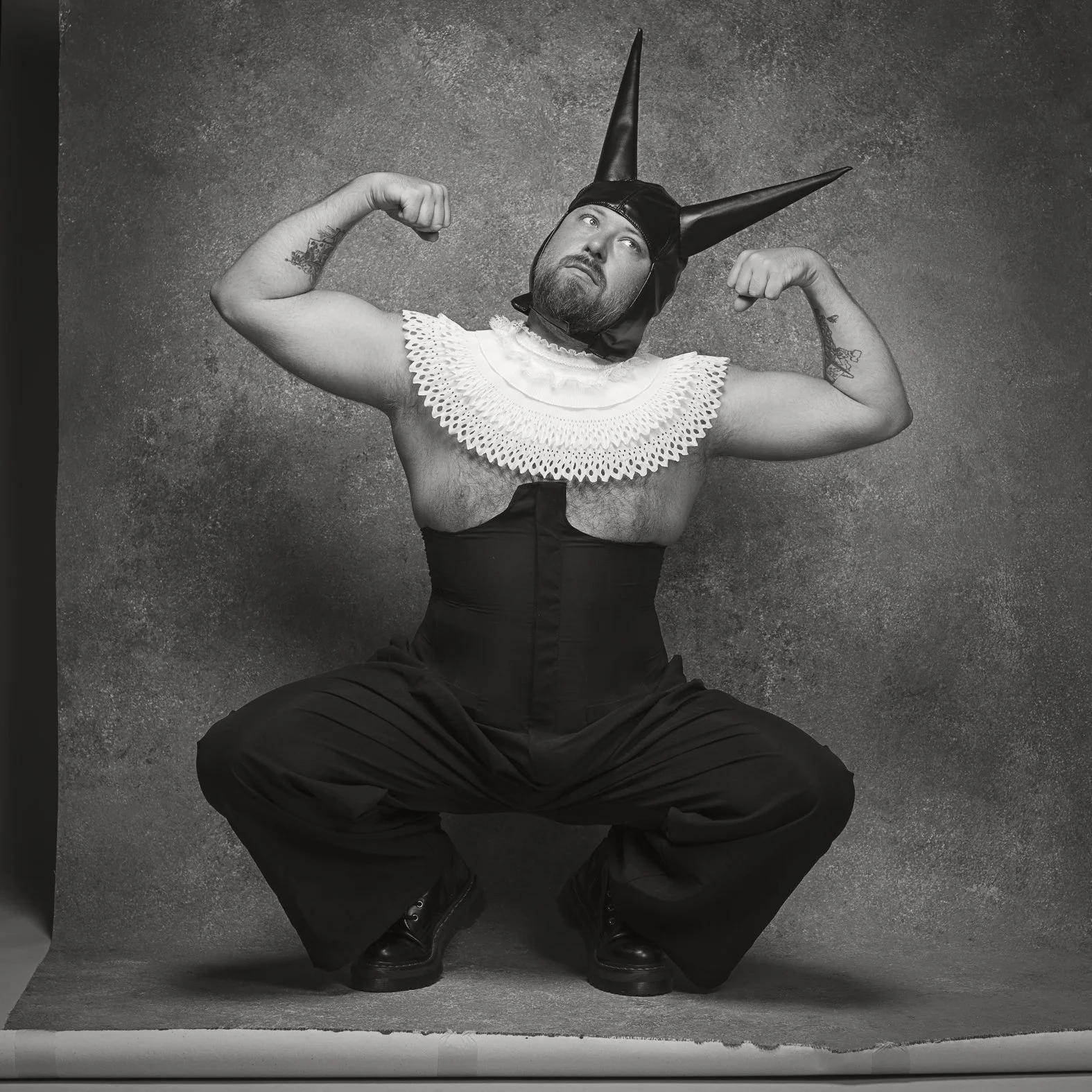
Die zelfverzekerdheid probeert hij op zijn social kanalen door te geven aan anderen. “Van sommige volgers met een dik postuur hoor ik weleens: ‘Ik durf niet uit te gaan omdat ik bang ben dat ik te veel ruimte inneem.’ Dat is toch vreselijk? Zij zijn de reden dat ik me op mijn socials uitspreek voor body positivity.” Volgers zien Marco geregeld in onderbroek of onthullende outfit in beeld verschijnen. “Toen ik veel danste, was ik slanker. Nadat ik aankwam, merkte ik algauw hoe anders ik werd aangesproken op dating-apps. ‘Sorry, ik date niet met dikke mensen’, zeiden mensen vaak direct. Soms hebben ze zelfs ‘No fats’ in hun bio staan. Daarom besloot ik mijn ervaringen te delen en vooral ook te laten zien: elk lichaam is mooi.”
Soms mist hij zelfreflectie in met name de mannelijke gay-community. “‘Dit is gewoon mijn voorkeur’, zeggen ze dan. Allereerst: je kunt ook níet reageren of iemand beleefd afwijzen. Maar het punt is dat veel mensen de reflectie missen om na te gaan waaróm het hun voorkeur is. In gay media ligt de nadruk altijd op een gespierd uiterlijk. Onze voorkeuren komen ergens vandaan, ze worden ons ingefluisterd. Vraag jezelf eens af: jouw gespierde vriend wordt ziek en kan niet meer sporten. Jullie zijn al jaren samen en nu wordt hij dik. Maak je het dan uit?”
Ook over het pesten is hij open online. Eén van zijn pesters heeft ooit, na een post over zijn jeugd, via een privébericht haar excuses aangeboden. “Daar kon ik echt niks mee. Dat heb ik ook tegen haar gezegd. Ze had vijftien jaar eerder met excuses moeten komen. Ik stuurde: ‘Ik vind het fijn dat je tot dit inzicht komt, want ik zie dat je nu zelf kinderen hebt. Als je ziet dat er kinderen in hun klas gepest worden, kom je hopelijk voor ze op.’ Ik weigerde haar een goed gevoel te geven over iets slechts dat zij heeft gedaan.”
Marco heeft nog een belangrijk doel op zijn socials: queer en trans cultuurmakers naar voren schuiven. “Zeker bij kleinere voorstellingen of namen vind ik het belangrijk dat er iets over ze geschreven en vastgelegd wordt. In mijn podcast De Kleine Cultuurshow heb ik maar een handjevol cishetero’s gesproken. Zij krijgen vaker een podium. Daarom bied ik dat podium graag aan anderen.”
<<English interview>>
On social media, Marco Dreijer (1990) dedicates himself not only to the cultural sector and the queer community, but also to body positivity. Followers see him in fashionable outfits at premieres as well as in his underwear while changing.
“I always had the feeling that I am unusually energetic.”
Anyone who follows Marco Dreijer on Instagram knows this to be true. Marco is always on the go. One moment it's a show, then an opening, then a podcast recording, then an interview. And always filming. As 'De Cultuurvlogger' (The Culture Vlogger), Marco takes his followers on a journey through the Dutch cultural scene. He has been doing this for nearly ten years now.
“People often ask: how do you do everything you do? To me, this is completely normal. I always did more than most others. Even back in elementary school. After school, I went to the National Youth Musical Theater on the Baarsjesweg. Dance lessons, singing lessons, tap lessons, you name it. And on weekends, I toured the Netherlands in youth musicals.”
It was a safe space in a world where school was not. That musical training, Marco says, was 'life-saving.'
Because the bullying he faced as a child in Amsterdam-Noord was severe - and it came from multiple corners. “Every single day, by both kids and teachers,” he summarizes. “During a writing assignment in sixth grade, the teacher came to stand behind me. She held up my piece of paper. ‘This is not how it's done,’ she said, and ripped the paper in half. This while she knew I was being bullied in class. And then there were the kids in my neighborhood, who would wait for me at the bus stop when I came back from ballet class. I was hardly ever invited to birthday parties.”
Back into therapy
Marco performed in youth productions of The Wizard of Oz and Cinderella, among others. He did that until he was eighteen - at which point a transition to adult roles had to be made, and Marco discovered that auditioning did not make him happy. “That’s just not for me. Performing is - I enjoyed that. But having to prove myself all the time… I realized: I don't want to keep doing this for years. With all the rejection and insecurity that comes with it.”
Yet, a drive to prove himself still lingers somewhere inside. “In reality, I am constantly producing content at a breakneck pace just to keep showing myself online all the time.”
“In my mind, I still often feel: I don't belong. Suppose a theater production opens that I know is completely sold out, and I wasn't invited. I should be thinking: the venue is full, there was simply no space left. But on certain days I think: this means the end of my career, I didn't do well enough.”
Last year, he went back into therapy. “I had been working too hard for too long, and a friendship ended very abruptly. Because of that, I crashed a bit. I felt: there is just still a lot inside me that is causing me to get stuck right now.” The greatest insight therapy has given him so far? “That even without everything I do, I am a perfectly good person. I just have to keep saying that out loud to myself.”
Never in the closet
Growing up in Noord (Amsterdam-North) didn’t feel to Marco like he was being raised in the city. “Noord wasn't what it is today, of course, with all the clubs and trendy restaurants. And when we started going out, a lot of people would do so in Zaandam rather than on the Leidseplein. My grandparents never even visited the city center.”
“My mother used to go clubbing in the iT and the Roxy, and her best friend was gay”
He never had to come out to his family. “It was just obvious. My mother used to go clubbing in the iT and the Roxy, and her best friend was gay. As a child, I went to the Canal Parade with her. She always asked my brother and me: ‘Do you guys have a girlfriend or a boyfriend yet?’ My brother and I couldn't be more different - he’s a tough guy who used to hang out on the streets and now works as a security guard. He is completely okay with me being queer as well: he won’t go clubbing on the Reguliersdwarsstraat of his own accord, but if I’m celebrating my birthday there, he happily joins.”
Since late 2024, Marco has been in his first relationship. However, his boyfriend doesn't live in Amsterdam, but in Barcelona. “We call almost every day and visit each other often. When we walk hand-in-hand in Barcelona, absolutely nobody looks at us twice. Here, you have people staring, shouting, or making comments. Sometimes I think: is this my Amsterdam? It doesn't feel like the city I grew up in.”
He doesn't feel unsafe on the streets, though. “That is partly thanks to my bullies. I know how to throw a good punch back, and I don't hesitate to stand tall and yell back. That’s not an act. I get genuinely angry, because I’ve had enough of it. As a child, I often reacted aggressively. That got me into trouble with teachers and the police multiple times. They didn't know the whole story, of course. Eventually, I went to see a child psychologist. That was good for me, but a group discussion in the classroom would have been even better.”
“I notice that I am less startled than my friends when people shout at us on the street. I am so used to it from the past. But for instance, I don’t have a rainbow flag hanging out my window. I prefer people not to know: an LGBTQIA+ person lives there. That would make me feel less safe.”
Despite Barcelona being queer-friendly, it is ‘not my city,’ Marco says. Perhaps his partner will move this way one day; he has several good friends living here. For now, that is not on the table. The two met two summers ago at the Amsterdam queer festival Tropikali. “I wasn't concerned at all about the fact that he lived in Spain, because I didn't expect us to start dating seriously. But the long-distance thing is working out just fine. Sometimes we cook the same recipe while FaceTiming each other. Then we are sort of eating together, which is very cute.”
Dancing as the main goal
In relationships too, the bullying has left its mark. “A while ago, I visited my boyfriend in Vienna at a party where he was playing a DJ set. He was surrounded by people he knew, and I quickly thought: he's having a great time and I am outside the group. I decided to go back to the hotel, at which point he asked: ‘What are you doing?’ When I told him I didn't want to bother him, he said: ‘We are here together, right?’ That was a good lesson for me. I tend to think that I am a burden to someone else and remove myself from the situation.”
Marco never consciously kept relationships at bay before. “I think I came across as though I wasn't open to others. I was always busy, always on the go. Even when going out, I’m not necessarily approachable; usually, I’m standing on a stage or an elevated platform somewhere - though it worked out at Tropikali nonetheless. Going out means one thing to me: dancing. Not socializing, not hitting on people. In this area, I am not insecure at all: I know I can dance and I am good with clothes. When I stand there, I feel happy and free. This applies especially to queer and queer-friendly spaces. At large parties with for example cis-hetero visitors who are just there for the day, I quickly feel that people look at me differently. Not even necessarily judgmentally. But more like: I am not used to this, I don't know this.”
“I want to show that every body is beautiful”
He tries to pass that confidence on to others through his social channels. “I sometimes hear from some plus-size followers: ‘I don’t dare to go out because I’m afraid I take up too much space.’ Isn't that terrible? They are the reason I speak out for body positivity on my socials.” Followers regularly see Marco appearing on screen in his underwear or a revealing outfit. “When I danced a lot, I was skinnier. After I gained weight, I quickly noticed how differently I was approached on dating apps. ‘Sorry, I don’t date fat people,’ people often said bluntly. Sometimes they even have ‘No fats’ in their bio. That's why I decided to share my experiences and, above all, to show: every body is beautiful.”
Sometimes he notices that people don’t reflect enough on their own behavior, particularly in the male gay community. “‘This is just my preference,’ they will say. First of all: you can also just not respond or reject someone politely. But the point is that many people lack the reflection to examine why it is their preference. In gay media, the emphasis is always on a muscular appearance. Our preferences come from somewhere; we are all influenced. Ask yourself: your muscular boyfriend gets sick and can no longer work out. You have been together for years and now he gets fat. Do you break up with him then?”
He is also open online about the bullying. Following a post about his youth, one of his bullies once sent a private message to apologize. “That was useless to me, and I told her so. She should have come forward with an apology fifteen years earlier. I messaged back: ‘I'm glad you've come to this realization, because I see you have children of your own now. If you see children being bullied in their class, I hope you stand up for them.’ I refused to make her feel good about something terrible she had done.”
Marco has another important goal on his socials: highlighting queer and trans cultural creators. “Especially with smaller productions or names, I think it is important that something is written and recorded about them. In my podcast De Kleine Cultuurshow I have only spoken to a handful of cis-heterosexuals. They get a platform more often anyway. That’s why I gladly offer that platform to others.”