
<<Scroll down for English>>
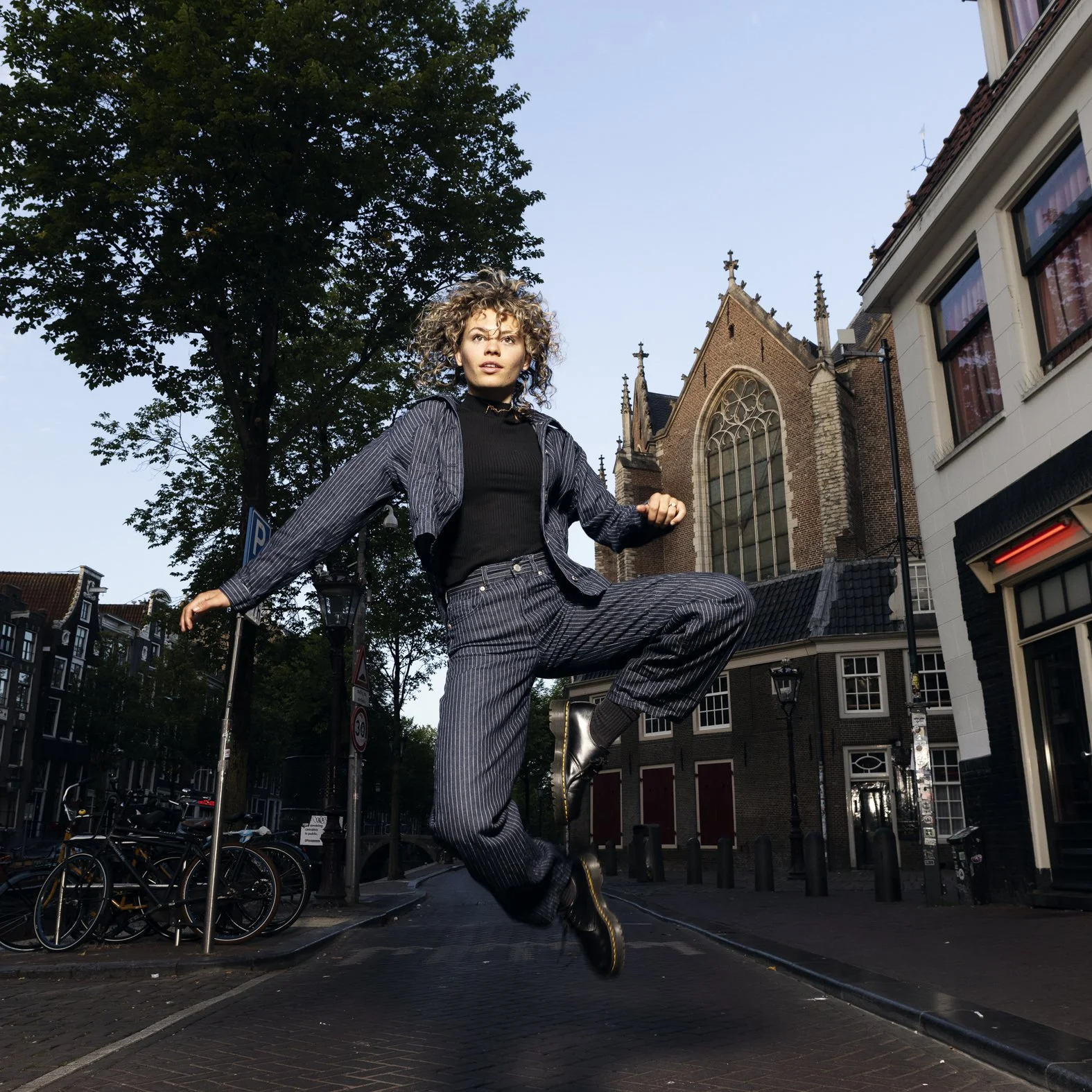
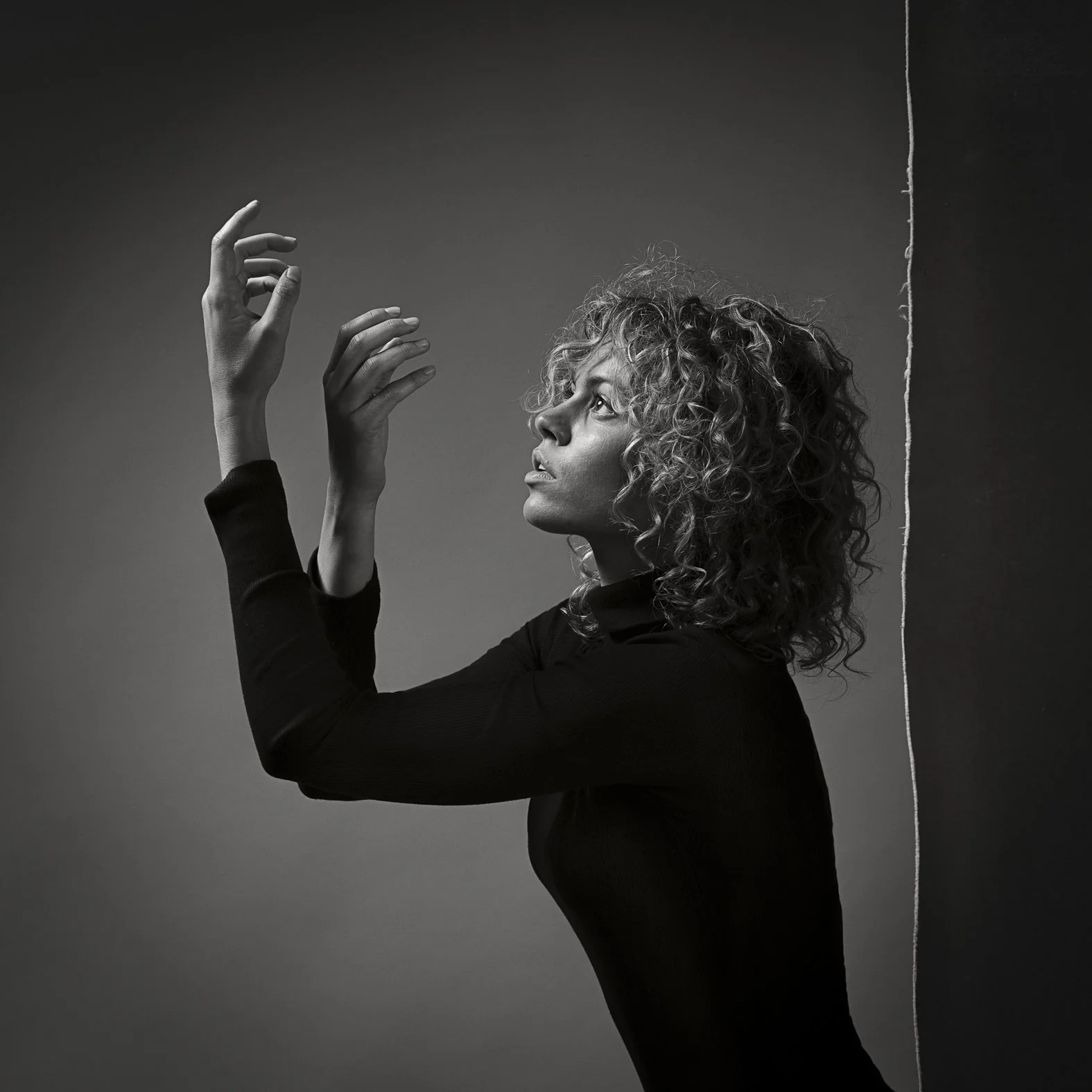
Fee Golin (2003) groeide op in een stadje in Zuid-Holland. Nadat haar moeder zag hoe ze als tiener met zichzelf worstelde, stelde zij Fee voor aan een bevriende Amsterdamse kunstenaar die zich over haar ontfermde.
“Ik was een kuikentje dat lange tijd niet uit zijn ei kon breken. En nu ben ik een vogel. Een rare vogel.”
Laat het maar aan Fee Golin over om haar eigen karakterontwikkeling te omschrijven. Al vóór haar coming-out gebruikte ze het ei als beeldspraak. Dat deed in een mailwisseling met haar mentor op de fotografieopleiding in Rotterdam, die haar erop wees dat haar schoolwerk in gebreke bleef. “Hij noemde mij plots een ‘ei’ als koosnaampje. Ik weet niet waarom hij mij zo is gaan noemen, maar het leidde ertoe dat ik het ei als metafoor ben gaan gebruiken.”
Uit een van haar mails: ‘Ik voel me bevangen door een kalklaag en ik ben aan het vechten om mezelf van deze benauwde ruimte te bevrijden.’
Ruim vijf jaar later is dat gelukt. Fee groeide op in ’s-Gravenzande, niet ver van Hoek van Holland. Inmiddels werkt ze als fotograaf en woont ze in Amsterdam, waar ‘eigenlijk zowat mijn hele omgeving queer is’: haar vrienden, haar sportteam, het gros van haar collega’s bij Internationaal Theater Amsterdam. Ze is daar specifiek naar op zoek gegaan. “Maar het zijn ook gewoon de mensen die ik heb aangetrokken.”
Ze woont op Uilenstede, het studentencomplex in Amstelveen. Daar heeft ze eigenlijk niks mee, zegt ze. Ze spendeert dan ook veel tijd in het centrum, met name in het kunstenaarshuis naast de Oude Kerk op de Wallen, waar kunstenaars Appie Bood en zijn vrouw Agata Zwierzynska wonen. Appie heeft haar, om in kuikenmetaforen te blijven, onder zijn vleugels genomen. “We hebben diepe gesprekken, maar als ik aan een project werk mag ik mezelf opsluiten in zijn atelier. Soms slaap ik er ook.”
“Ik sloot me op in mijn kamer, werd steeds stiller”
Ze kent Appie via haar tante: hij is de broer van haar ex-partner. “Mijn moeder ontmoette Ap op het moment dat ze mij thuis zag struggelen. Ik sloot me op in mijn kamer en werd steeds stiller. Terwijl ik normaal een aanwezig, open type ben. Ze keek als het ware toe hoe ik een muur om mezelf heen bouwde.”
Gegrepen door Appies vrije geest, vroeg Fees moeder of haar dochter hem een bericht mocht sturen. “Dat heb ik eigenlijk vrijwel meteen gedaan. Zeventien was ik, ik pakte voor het eerst alleen de trein naar Amsterdam om hem te ontmoeten.”
Het was een trefzekere zet. “Ik dacht: ik móét daar gewoon heen. Mijn moeder had me verteld hoe ruimdenkend en open hij is. Dat was precies waarnaar ik zocht. Ik kom uit een vrij conservatieve plek en zat zó met mezelf in de knel. Een ontmoeting met Appie was een mogelijke uitweg. Ik moest weer op zoek naar mijn vrijheid. Misschien kon hij me daarbij helpen.”
Proeven aan vrijheid
Dat deed hij - door haar te laten inzien ‘dat het er simpelweg niet toe doet’ dat ze lesbisch is. Appie toonde haar zijn eigen werk, met onder meer foto’s van hem in vrouwenkleding. “Ik besefte dat de frames die ik op mezelf had geplakt veel te bepalend waren. Alsof ik ‘homo’ op mijn voorhoofd had geschreven en alleen nog maar dát was. Het is belangrijk om ervoor uit te blijven komen, want we blijven een minderheid. Maar ik had mezelf gereduceerd tot een seksualiteit waarvan ik dacht dat mijn omgeving die niet oké vond.”
Bij Appie mocht ze voor het eerst proeven aan de vrijheid om jezelf te kunnen zijn. “Dat mijn moeder me zelfstandig op zoek liet gaan naar die vrijheid, vind ik bijzonder. Zij en mijn vader zijn niet kunstzinnig, maar hechten veel waarde aan de authenticiteit van hun kind. Die ruimte geven ze me op meer vlakken. Toen ik thuiskwam na mijn eerste bezoek, overspoelde mijn moeder me bijvoorbeeld niet met vragen. Ze laat mij zelf ontdekken en met dingen komen wanneer ik daaraan toe ben.”
Ze weet het nog goed, die eerste keer het trapje van het grachtenpand op en haar vinger op de deurbel. Er verscheen een ‘geheel eigen verschijning’ in de deurpost. “Ik ken niemand zoals Appie. Het voelde meteen warm en vertrouwd. Alles in zijn huis is authentiek, het is er heel knus. Ik ben er uren geweest, was zo in het moment dat ik vergat mijn moeder een appje te sturen. Terwijl ik natuurlijk wel als minderjarige in mijn eentje naar de Wallen ging”, lacht ze.
Fee had teksten en foto’s meegenomen die haar hielpen haar mentale strubbelingen via kunst aan te snijden. Ze heeft ze nu ook bij zich. Een ander citaat: ‘Misschien ben ík de homofoob.’ Ze legt uit: “Uiteindelijk accepteerde iedereen in mijn omgeving het gewoon. Zo conservatief was die dus helemaal niet.”
Achteraf beseft ze hoe bijzonder het is dat ze zich bij Appie direct zo durfde openstellen. “Ik heb hem teksten voorgelezen die superpersoonlijk zijn. En hij luisterde zonder oordeel.”
Ze noemt Appie en Agata inmiddels haar ‘kunstouders’. “Toen ik nog in Zuid-Holland woonde ging ik regelmatig op en neer. Uiteindelijk kwam ik uit de kast en kreeg ik een vriendin, uit Hoek van Holland. Ik hield van haar, maar vanaf het begin zei ik: ‘Zodra ik kan, wil ik naar Amsterdam toe.’ Zij wilde in Zuid-Holland blijven wonen.”
“Iemand zei een keer tegen me: ‘Je moet op zoek naar je eigen scene.’ Die heb ik nu gevonden”
Fee heeft nog steeds vrienden in ’s-Gravenzande. Op de vraag of ze nog veel raakvlakken hebben, antwoordt ze dat het soms ‘even zoeken’ is. “Ik voel me denk ik aan beide kanten een beetje vervreemd: ik kom uit een plek waar ik me niet thuis voel en woon in een stad die ik nog niet helemaal ken. Maar ik kan bij hen wel mezelf zijn.” Peinzend: “Ik kán in ’s-Gravenzande gewoon gay zijn, dat is niet het probleem. Maar er zijn andere dingen waardoor ik er niet meer pas. Ik denk dat de mensen er een levenswijze hebben die niet die van mij is. Een huis kopen, trouwen, kinderen krijgen. Dat zijn voor nu niet de dingen waar ik persoonlijk naar uitkijk.”
Wat zijn die wel? “Het voelt eigenlijk al alsof ik een beetje mijn droom leef. Ik weet nog dat een van Appies vrienden een keer tegen me zei: ‘Je moet op zoek naar je eigen scene.’ Die heb ik nu gevonden. Het mooie van Amsterdam is dat je hier als het ware rond kunt zwerven, op zoek naar gelijkgestemden.”
Fotocamera als sleutel
Die vond ze vooral in ITA, waar voor haar jezelf zijn, kunst en creativiteit samenkomen.. Fee werkt er in de publieksservice en als fotograaf. “ITA is net als het kunstenaarshuis een soort thuis geworden. Ik ben daar heel vaak te vinden, naast werk gewoon omdat ik er graag ben. Theater heeft veel impact op me gemaakt. Het was een geheel nieuwe wereld voor me, een nieuwe manier van verhalen vertellen. De eerste voorstelling die ik zag was De Wetten, op de vooravond van mijn verhuizing naar Amsterdam. Het voelde bijna echter dan het leven zelf, zozeer herkende ik me in de centrale vraag die erin wordt gesteld: wie ben ik, óók in verhouding tot de ander? Ik was er alleen naartoe gegaan. Daar in de zaal besefte ik: alles wat ik in de komende maanden ga ontdekken, ontdek ik óók alleen.”
Haar camera hielp bij die ontdekkingstocht. “Die werd een soort sleutel om met andere mensen in gesprek te komen. Zo bezocht ik een verzorgingstehuis voor lhbtqia+-ouderen in Amsterdam. Aan hen vroeg ik tussen de foto’s door: hoe was het vroeger voor jullie, in een tijd waarin het nog veel minder geaccepteerd werd?”
“Die moeilijke periode heeft me gevormd”
In de zomer van 2025 trok Fee met camera naar Boedapest, waar een veelbesproken Pride-mars plaatsvond terwijl de nationale overheid onder leiding van de extreemrechtse Viktor Orbán die verboden had. Burgemeester van Boedapest Gergely Karácsony negeerde dat verbod en liep zelf mee, samen met onder anderen Amsterdams burgemeester Femke Halsema. In totaal waren er volgens de organisatie bijna 200.000 mensen - veel meer dan bij voorgaande edities.
“Ik wilde daarheen om op zoek te gaan naar vrijheden. Als je iets verbiedt, betekent het niet dat het verdwijnt. Ik vond het spannend door de dreiging van gezichtsherkenning en de boete van 500 euro die je riskeerde. Tegelijkertijd gaf het me een kick; ik was er klaar voor. Ik nam een grote camera met flits én een klein cameraatje mee, voor wanneer de autoriteiten de grote zouden afpakken. Het was eng, maar ik was er ook klaar voor.”
Haar laatste dag in Boedapest, na de Pride-mars, maakte nog meer indruk. “Ik bezocht een queer picknick die in het park werd georganiseerd voor met name transgender personen en lesbische vrouwen. Ik heb urenlang met die groep - een stuk of dertig mensen, gok ik - doorgebracht. Uiteindelijk liep ik huilend naar mijn hotel. Dat kwam vooral door het gesprek met een trans vrouw die over haar dubbelleven vertelde, over alle kanten van zichzelf die ze van haar overheid moet verstoppen. Ik hoorde de pijn in haar stem. Tegelijkertijd sta je daar, voor je gevoel, veilig samen onder de groene bomen en blauwe lucht te praten. Het was heel speciaal om op zo’n plek te zijn, gecreëerd door een groep mensen die ruimte opeist in een land waar ze die niet kregen. En tegelijkertijd heel wrang om te beseffen: zodra we hier weggaan, verdwijnt die plek weer.”
“Deze reis naar Boedapest liet me vooral zien dat mensen niet in de rol van slachtoffer kruipen”, zegt ze, “maar gaan stáán voor wie ze zijn.”
Inmiddels vindt ze het zelf ook niet meer spannend haar verhaal met de wereld te delen. “Die moeilijke periode heeft me gevormd.” Of, in haar eigen woorden aan haar docent: ‘Een ei zal moeten breken om de wereld te kunnen ontdekken.’
<<English interview>>
As a burlesque and drag performer, Eve Fatale (2000) is taking over the city. Within no time after moving from the province of Noord-Brabant, she was performing in major clubs.
“Eve Violet Elvira Fantasia Alexandria Traniana Adam Lillith Evangelista.”
With audible joy, Eve Fatale sums up the official first names in her passport. Together, since 2024, they make up the name E.V.E. F.A.T.A.L.E. Wientjens.
“I used to have just one first name, but my mother had five. I thought that was fucking fierce. I chose Traniana right then and there at the Breda city hall, my municipality of birth - that’s the only place you're allowed to file a name change. I came up with it because the name Transformer wasn't legally allowed. Evangelista was initially Erotica. Also not allowed. I tried pointing out to the woman behind the counter that it's a Madonna album. She, by the way, pointed out to me that I will have to type out all those names every single time I need to fill them in. First of all: they've been saved in my phone for ages. Second of all: do you think I will ever mind typing out these amazing names?”
Eve has lived in Amsterdam for five years, no longer in Bavel, the small village right next to Breda where she grew up. Now, at a coffee shop at Waterlooplein not far from her home, she is dressed casually in a sweater, jeans, and sneakers. On stage, things are quite different. That's when dresses, wigs, and pasties appear. “I don't go out onto the street like that during the day,” she says. “Usually, I only go full cunt at night.”
Cunt - a term especially beloved by younger queers that could be defined as fierce, feminine, and fabulous - is indeed a fitting word for the concept of Eve Fatale. Her performances, a combination of drag and burlesque, are as seductive as they are meticulously choreographed with dance moves, soundbites, and stripteases. She is rapidly gaining fame for good reason, having performed in well-known clubs, at major parties, and at the birthday celebrations of famous Dutch figures. She now organizes her own drag show at Club Raum, called Fatale Cabaret.
“I think Amsterdam is the place for me. I really love my life here”
The logical next step in ‘a star is born’ scenario: going abroad? No, Amsterdam is her final stop, she thinks. “If I were to go abroad, it would be to Paris or New York. But in Paris, burlesque is less niche and more competitive. And America these days... no, I think Amsterdam is the place for me. I really love my life here.”
Of course, she says, politically speaking, things are not going well for the trans community. “My friends and I certainly talk about that, but often we also just want to have a good time. Just like anyone else, we have to wait and see how everything develops worldwide. Media coverage is often either about queer joy or queer resistance. But both coexist. Globally, things are heading in a bad direction right now, but fortunately, we have our queer spaces in Amsterdam where we can find each other and share good experiences.”
It’s hard to get angry
Outside of those queer spaces, however, it's a different story. “I live quite a bit in my bubble here,” she admits. “Of course, that's partly thanks to my work. There aren't necessarily places I avoid, but I don't visit traditional 'brown bars' very often. I can't really be there without people talking about me or staring at me.”
“I find it hard to get angry at those kinds of people,” she continues. “Often, their stares or comments are out of curiosity or even compassion. Meanwhile, I get questions about my body and genitals. I have to justify my womanhood to people I don't know. And that doesn't just happen once. It's an accumulation of experiences.”
She reflects, “I swallow it down and keep going. That's actually not good. Because it does end up bothering me.”
She feels a certain responsibility toward the transgender community. “Especially now that trans people are a political target, I think: if I am unkind to this person, they will tell their acquaintances about that awful trans person they met the other day.” It's almost impossible to navigate, she says, but recently she adopted a new tactic. “Handle it in a way they understand. 'If you tell me how long your dick is, I'll tell you if I have one.' Often, then they get it.”
But it’s still exhausting. “Just recently, a man whose very first question to me was 'Are you a woman?' then declared he felt attracted to me, but found that complicated. We got into a long conversation and when he left, he thanked me. 'I've learned so much from you.' Then he slapped my ass. I thought: okay, I just explained transphobia to you. We'll save sexism for next time.”
Further along in the conversation, she returns to the subject. “You know, if I'm in drag or participating in a panel discussion, I expect questions. But usually, I just want to go out for a quick drink.”
Attacked on Reguliersdwarsstraat
Sometimes things go wrong even in queer spaces. In 2023, Eve and two fellow queens were the victims of an assault right in the middle of Amsterdam’s most famous LGBTQIA+ street, Reguliersdwarsstraat. “A group of guys shouted slurs at us. We yelled back because we thought: ‘no way, not on our street.’ A bit later, the guys came back to pelt us with bottles. When one of them pretended he wanted to apologize and reached out his hand, he pulled Saphira Gibbs (drag queen Dutch Tina Turner) to the ground.”
Gibbs was seriously injured. The incident had a major impact on the three victims. “For a while, I was more hesitant to go outside, but that was short-lived. Also, about five people immediately rushed to our aid. We weren't standing alone.”
She gladly visits Reguliersdwarsstraat again now, especially Taboo, where drag artists perform regularly. But out of all the places in the city, she feels most comfortable at Raum. Eve still gets a bit nervous sometimes before hitting the stage, but otherwise, she says performing comes quite naturally. “Though I'm really not always that self-confident. I shine the most when I go to places where my friends are and I feel at home.”
But that stage belongs to her - according to her wishes, her rules, her body. “When I stand up there, even when my clothes are off, anyone is allowed to film me. Put it on Instagram. This is what I want to show.” As a trans woman, her performance is 'political by default', she says. “At the same time, that political element isn't the core of the story I want to tell. It's just me you see on stage, with a new act every time.”
A shoe that doesn’t quite fit
Just before the COVID-19 pandemic disrupted hospitality and events, she scored her first booking in Amsterdam. “That's where I met Youssef, with whom I now organize Fatale Cabaret. During the lockdowns, I started experimenting with looks at home. At first, it was more club-kid style; back then I identified as non-binary. Later, I went for a more sensual, hyper-feminine look and used the name 'Eve' for the first time - still as a drag name back then. In doing so, I realized: I want this in my everyday life. As my daily identity.”
That realization is hard to describe to someone who hasn't experienced it, she says. “Do you know that feeling when the tongue of your shoe is twisted wrong? It just doesn't feel right until you pull it straight and tight. Only then do you realize: ah, this is so much better.”
“I wanted to wear nail polish and dresses; my parents gave me total freedom in that”
“Even as a child, people would ask me: wouldn't you rather be a girl? I was quite feminine, wanted to wear nail polish and dresses, did dancing and gymnastics. My parents gave me total freedom in that. I never thought: I can't express myself. And I never truly had issues with my body. Sure, I felt dysphoria, but I always thought I was just a twink who hated his genitals. I grew up with the mindset: if your body works, you have a good body. You shouldn't change anything about it. Because of that, it took a long time before I understood that it would have been better if I had been born a girl.”
Her father was the first person she came out to. “At first, I came out as a gay man. His reaction was very relaxed. My mother - they are divorced - was a bit more surprised. When I told them I was a trans woman, they had to get used to the idea, especially because they know the state of trans rights worldwide.” Laughing, she says, “And then later I still had to tell them I was going to be stripping on stage.”
Until they came to watch a show, they were 'hesitant', Eve says. “My father showed up unannounced to a performance in Eindhoven. I had submitted my track a long time ago and couldn't change anything about the act anymore. I was very glad he was there, were it not for the fact that I had chosen the song Be My Daddy by Lana Del Rey.” Another burst of laughter. “Then my father won a prize in bingo and had to make a sexual sound on stage - and he actually did it, too! My father can be the life of the party; he is quite extroverted. I think I got my love for the stage from him.”
Since our conversation, Eve has undergone facial feminization surgery, a procedure that accentuates feminine facial features. The surgery was not covered by her health insurance, a well-known hurdle for many trans people seeking gender-affirming operations, but an online crowdfunding campaign and a fundraiser event at the nightclub TillaTec helped Eve raise the necessary funds. “I wanted more agency over how I look. There is power in that, I think. I chose this face. And you have nothing to say about it.'”