
<<Scroll down for English>>
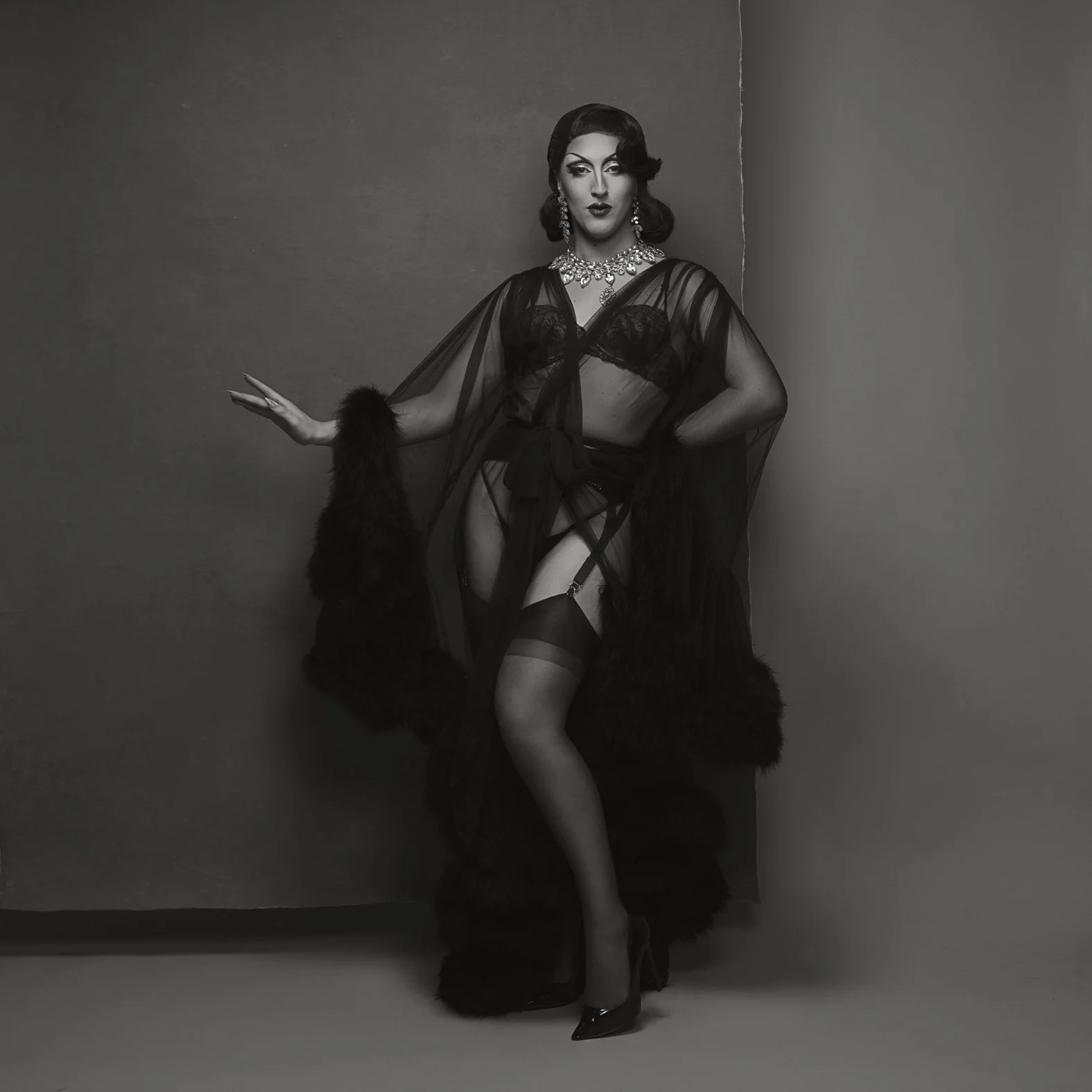
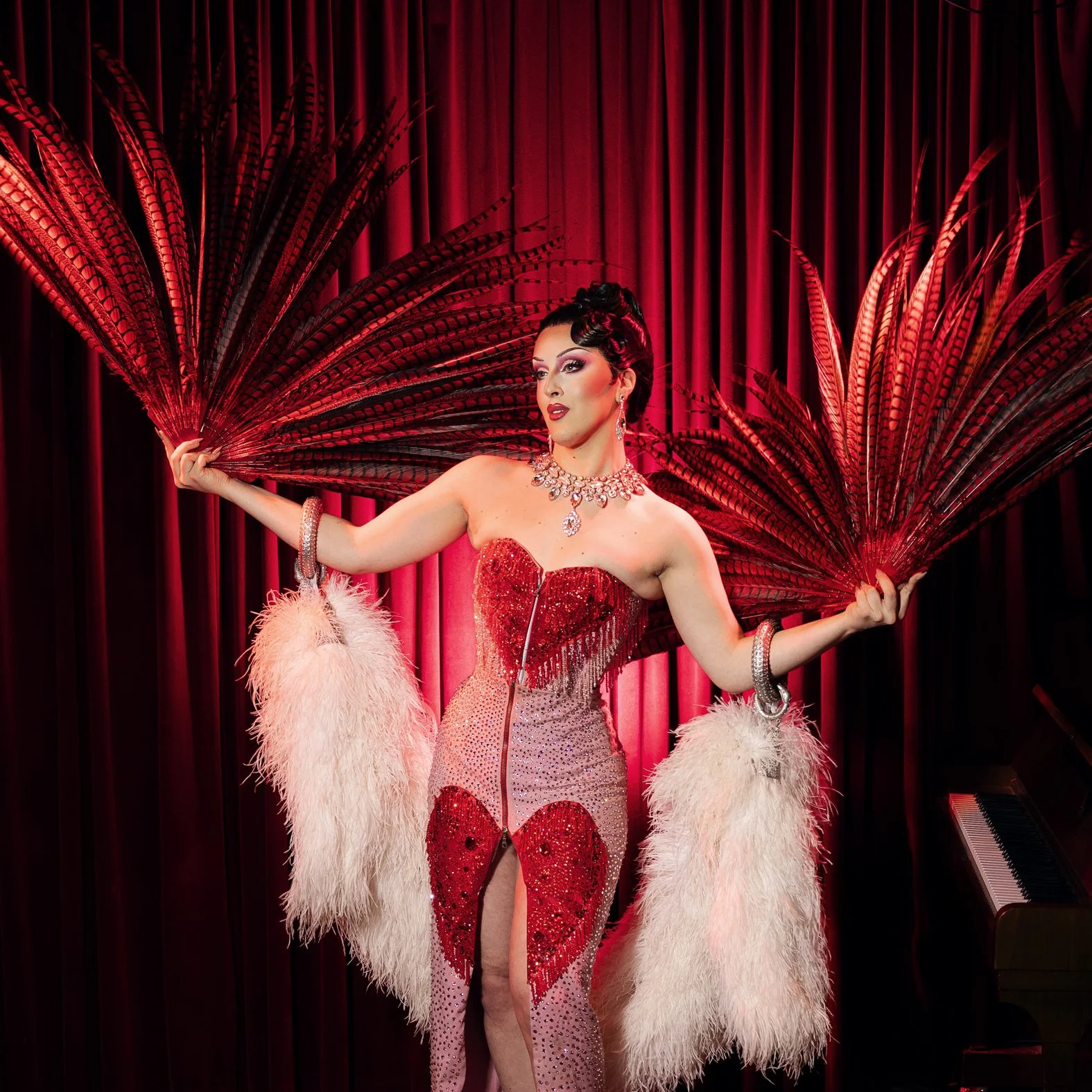
Als burlesque- en drag-performer neemt Eve Fatale (2000) de stad over. Binnen no-time na haar verhuizing vanuit Brabant trad ze op in grote clubs.
“Eve Violet Elvira Fantasia Alexandria Traniana Adam Lillith Evangelista.”
Met hoorbaar plezier somt Eve Fatale ze op: de officiële voornamen in haar paspoort. Samen vormen ze sinds 2024 de naam E.V.E. F.A.T.A.L.E. Wientjens.
“Ik had vroeger één voornaam, maar mijn moeder vijf - dat vond ik fucking fierce. Traniana koos ik ter plekke op het gemeentehuis van Breda, mijn geboortegemeente - alleen daar mag je een naamswijziging doorgeven. Ik bedacht ‘m omdat de naam Transformer wettelijk niet mocht. Evangelista was aanvankelijk Erotica. Mocht ook niet. Ik probeerde de vrouw achter de balie er nog op te wijzen dat het een Madonna-album is. Zij wees míj er trouwens op dat ik die namen elke keer zal moeten uittikken als ik ze moet invullen. Ten eerste: ze staan allang opgeslagen in m’n telefoon. Ten tweede: denk je dat ik het óóit vervelend zal vinden deze geweldige namen te mogen uittikken?”
Eve woont inmiddels vijf jaar in Amsterdam en niet meer in Bavel, het dorpje vlak naast Breda waar ze opgroeide. Nu, in een koffietent op het Waterlooplein niet ver van haar woning, zit ze er casual bij: trui, spijkerbroek, sneakers. Op het podium is dat wel anders: dan verschijnen jurken, pruiken en tepelkwastjes ten tonele. “Zo ga ik overdag niet de straat op”, zegt ze. “Meestal ga ik pas in de avond full cunt.”
Cunt - een vooral bij jongere queers geliefde term die je zou kunnen definiëren als fierce, feminine, fabulous - is inderdaad een treffend woord voor het begrip Eve Fatale. Haar optredens, een combinatie van drag en burlesque, zijn even verleidelijk als minutieus afgestemd - danspasjes, soundbites, striptease. Niet voor niets wint ze in rap tempo aan bekendheid. Ze trad op in bekende clubs, op grote feesten en verjaardagen van bekende Nederlanders. Ze organiseert inmiddels haar eigen dragshow in Club Raum, Fatale Cabaret.
“Ik denk dat Amsterdam de plek voor mij is. Ik vind mijn leven hier echt heel leuk”
Logische volgende stap in het a star is born-scenario: het buitenland? Nee, Amsterdam is haar eindhalte, denkt ze. “Áls ik naar het buitenland zou gaan, is dat naar Parijs of New York. Maar in Parijs is burlesque minder niche en competitiever. En Amerika tegenwoordig… nee, ik denk dat Amsterdam de plek voor mij is. Ik vind mijn leven hier echt heel leuk.”
Natuurlijk, zegt ze, het gaat politiek gezien niet goed met de transgemeenschap. “Daar hebben mijn vrienden en ik het heus over, maar vaak willen we het ook gewoon gezellig hebben. Net als anderen moeten wij aankijken hoe alles zich wereldwijd ontwikkelt. Vaak gaat het in de media over queer joy óf queer resistance. Maar beide bestaan naast elkaar. Wereldwijd gaat het de slechte kant op momenteel, maar gelukkig hebben wij onze queer spaces in Amsterdam waar we elkaar kunnen vinden en goeie ervaringen met elkaar delen.”
Niet boos kunnen worden
Buiten die queer spaces is het echter een ander verhaal. “Ik zit best wel in mijn bubbel hier. Natuurlijk kan dat mede dankzij mijn werk. Er zijn niet per se plekken die ik mijd, maar in bruine kroegen kom ik niet vaak. Daar kan ik eigenlijk niet zijn zonder dat mensen over me praten of naar me staren.”
“Ik vind het moeilijk om boos te worden op dat soort mensen”, vervolgt ze. “Vaak komen hun blikken of opmerkingen uit nieuwsgierigheid of zelfs compassie. Maar ondertussen krijg ik vragen over mijn lichaam en genitaliën, moet ik mijn vrouw-zijn verantwoorden tegenover mensen die ik niet ken. En dat gebeurt niet maar één keer. Het is een opeenstapeling van ervaringen.”
Overpeinzend: “Ik slik het in en ga weer door. Dat is eigenlijk niet goed. Want ik ga er wel mee zitten.”
Ze voelt een zekere verantwoordelijkheid naar de transgendercommunity toe. “Zeker nu trans mensen een politiek doelwit zijn, denk ik: als ik onaardig tegen deze persoon doe, vertellen zij aan hun kennissen hoe kut die trans persoon is die ze laatst hebben ontmoet.” Het is bijna onmogelijk om mee om te gaan, zegt ze, maar sinds kort heeft ze een nieuwe tactiek. “Het op een manier aanpakken die zij begrijpen. ‘Als jij zegt hoe lang jouw lul is, vertel ik of ik er een heb.’ Vaak valt dan het kwartje.”
Maar het blijft vermoeiend. “Laatst nog, een man die als eerste vraag stelde: ‘Ben jij een vrouw?’ En vervolgens verklaarde dat hij zich tot me aangetrokken voelde, maar dat ingewikkeld vond. We raakten in een lang gesprek en toen hij wegging bedankte hij me: ‘Ik heb zoveel van je geleerd.’ En toen sloeg ‘ie me op mijn kont. Ik dacht: oké, ik heb je net transfobie uitgelegd, seksisme bewaren we voor de volgende keer.”
Wat verderop in het gesprek komt ze op het onderwerp terug. “Weet je - als ik in drag ben of deelneem aan een paneldiscussie verwacht ik vragen. Maar meestal wil ik gewoon even iets gaan drinken.”
Aangevallen op de Reguliersdwarsstraat
Soms gaat het ook in queer spaces mis. In 2023 werd Eve met twee collega-queens het slachtoffer van mishandeling, middenin de Reguliersdwarsstraat. “Een groep jongens schold ons uit. Wij riepen terug, want we dachten: no way, niet in ónze straat. Wat later kwamen de jongens terug om ons met flessen te bekogelen. Toen een van hen deed alsof hij excuses wilde maken en zijn hand uitstak, trok hij drag queen Dutch Tina Turner (Saphira Gibbs) naar de grond.”
Gibbs raakte zwaargewond. Het voorval maakte grote impact op de drie slachtoffers. “Een tijdje durfde ik minder goed de deur uit, maar dat was van korte duur. Er schoten ons ook meteen iets van vijf mensen te hulp. We stonden er niet alleen voor.”
In de Reguliersdwars komt ze inmiddels weer graag, met name bij Taboo, waar geregeld drag-artiesten optreden. Maar van alle plekken in de stad voelt ze zich bij Raum het meest comfortabel. Ietwat nerveus is Eve soms nog weleens voor ze de bühne opgaat, maar verder komt het performen vrij natuurlijk, zegt ze. “Al ben ik echt niet altijd zó zelfverzekerd. Ik straal vooral als ik op plekken kom waar mijn vrienden zijn en ik me thuis voel.”
Maar die stage is van háár - met haar wensen, haar regels, haar lichaam. “Als ik daar sta, ook wanneer mijn kleren uit zijn, mag iedereen me filmen. Zet het maar op Instagram. Dit is wat ik wil laten zien.” Als trans vrouw is haar optreden ‘bij voorbaat politiek’, zegt ze. “Tegelijkertijd is dat politieke element niet de kern van wat ik wil vertellen. Het is gewoon míj die je op het podium ziet, met telkens een nieuwe act.”
Een schoen die verkeerd zit
Net voordat de coronapandemie de horeca en evenementensector ontwrichtte, had ze haar eerste boeking in Amsterdam. “Daar ontmoette ik Youssef, met wie ik nu Fatale Cabaret organiseer. In coronatijd ging ik thuis experimenteren met looks. Eerst was die meer clubkid-achtig; ik identificeerde me destijds als non-binair. Later ging ik voor een sensuelere, hyper-vrouwelijke look en gebruikte ik voor het eerst de naam ‘Eve’ - toen nog als dragnaam. Al doende realiseerde ik me: dit wil ik in mijn dagelijks leven. Als mijn dagelijkse identiteit.”
Dat besef is moeilijk te omschrijven aan iemand die het niet heeft meegemaakt, zegt ze. “Ken je het gevoel dat het lipje van je schoen verkeerd zit? Het zit net niet lekker, totdat je het recht en strak trekt. Dan pas snap je: ah, dit zit veel beter.”
“Ik wilde nagellak en jurkjes dragen, van mijn ouders kreeg ik alle vrijheid daarin”
“Als kind hoorde ik al: wil je niet liever een meisje zijn? Ik was vrij feminien, wilde nagellak en jurkjes dragen, zat op dansen en turnen. Van mijn ouders kreeg ik alle vrijheid daarin. Ik heb nooit gedacht: ik kan mezelf niet uiten. En ik heb nooit écht problemen gehad met mijn lichaam. Tuurlijk voel ik dysforie, maar ik dacht altijd dat ik een twink was die zijn genitaliën haatte. Ik ben opgegroeid met het idee: als je lichaam werkt, heb je een goed lichaam. Daar moet je niets aan doen. Daardoor duurde het lang voordat ik snapte dat het beter was geweest als ik als meisje was geboren.”
Haar vader was de eerste bij wie ze uit de kast kwam. “Eerst nog als homoman. Hij reageerde heel relaxed. Mijn moeder - ze zijn gescheiden - was wat verbaasder. Toen ik vertelde trans vrouw te zijn, moesten ze even wennen aan het idee, vooral omdat ze weten hoe het wereldwijd met trans rechten gesteld is.” Lachend: “En dan moest ik ze later nog vertellen dat ik ging strippen op het podium.”
Tot ze naar een show kwamen kijken, waren ze ‘huiverig’, zegt Eve. “Mijn vader kwam onaangekondigd naar een optreden in Eindhoven. Ik had mijn nummer allang ingestuurd, kon niks meer veranderen aan de act. Ik vond het heel leuk dat hij er was, ware het niet dat ik als lied Be My Daddy van Lana Del Rey gekozen had.” Weer een schaterlach. “Vervolgens won m’n vader een prijs in de bingo en moest ‘ie op het podium een seksgeluid maken. Dat heeft hij gedaan ook. Mijn vader kan the life of the party zijn, hij is vrij extravert. Ik denk dat ik mijn liefde voor het podium van hem heb.”
Inmiddels heeft Eve facial feminization surgery gehad, een operatie waarmee vrouwelijke kenmerken in het gezicht meer naar voren worden gehaald. Dankzij een online crowdfundingactie én een fundraiser-evenement in nachtclub TillaTec verzamelde ze het benodigde bedrag - de operatie werd niet door haar zorgverzekering vergoed, een bekend probleem voor veel trans mensen die operaties willen ondergaan. “Ik wilde meer zeggenschap in hoe ik eruit zie. Daar gaat kracht van uit, vind ik. ‘Ik heb gekozen voor dit gezicht. En jij hebt daar niets over te zeggen.’”
<<English interview>>
As a burlesque and drag performer, Eve Fatale (2000) is taking over the city. Within no time after moving from the province of Brabant, she was performing in major clubs.
“Eve Violet Elvira Fantasia Alexandria Traniana Adam Lillith Evangelista.”
With audible joy, Eve Fatale sums up the official first names in her passport. Together, since 2024, they make up the name E.V.E. F.A.T.A.L.E. Wientjens.
“I used to have just one first name, but my mother had five - I thought that was fucking fierce. I chose Traniana right then and there at the Breda city hall, my municipality of birth - that’s the only place you're allowed to file a name change. I came up with it because the name Transformer wasn't legally allowed. Evangelista was initially Erotica. Also not allowed. I tried pointing out to the woman behind the counter that it's a Madonna album. She, by the way, pointed out to me that I will have to type out all those names every single time I need to fill them in. First of all: they've been saved in my phone for ages. Second of all: do you think I will ever mind typing out these amazing names?”
Eve has been living in Amsterdam for five years now, no longer in Bavel, the small village right next to Breda where she grew up. Now, in a coffee shop at Waterlooplein not far from her home, she is dressed casually: a sweater, jeans, sneakers. On stage, things are quite different: that's when dresses, wigs, and pasties appear. “I don't go out onto the street like that during the day,” she says. “Usually, I only go full cunt at night.”
Cunt - a term especially beloved by younger queers that could be defined as fierce, feminine, and fabulous - is indeed a fitting word for the concept of Eve Fatale. Her performances, a combination of drag and burlesque, are as seductive as they are meticulously choreographed - dance moves, soundbites, striptease. It's for good reason that she is rapidly gaining fame. She has performed in well-known clubs, at major parties, and at birthdays of famous Dutch figures. She now organizes her own drag show at Club Raum, called Fatale Cabaret.
“I think Amsterdam is the place for me. I really love my life here”
The logical next step in a star is born scenario: going abroad? No, Amsterdam is her final stop, she thinks. “If I were to go abroad, it would be to Paris or New York. But in Paris, burlesque is less niche and more competitive. And America these days... no, I think Amsterdam is the place for me. I really love my life here.”
Of course, she says, politically speaking, things are not going well for the trans community. “My friends and I certainly talk about that, but often we also just want to have a good time. Just like anyone else, we have to wait and see how everything develops worldwide. Media coverage is often either about queer joy or queer resistance. But both coexist. Globally, things are heading in a bad direction right now, but fortunately, we have our queer spaces in Amsterdam where we can find each other and share good experiences.”
Inability to get angry
Outside of those queer spaces, however, it's a different story. “I live quite a bit in my bubble here. Of course, that's partly thanks to my work. There aren't necessarily places I avoid, but I don't visit traditional 'brown bars' very often. I can't really be there without people talking about me or staring at me.”
“I find it hard to get angry at those kinds of people,” she continues. “Often, their stares or comments come from curiosity or even compassion. But meanwhile, I get questions about my body and genitals; I have to justify my womanhood to people I don't know. And that doesn't just happen once. It's an accumulation of experiences.”
Reflecting: “I swallow it down and keep going. That's actually not good. Because it does end up bothering me.”
She feels a certain responsibility toward the transgender community. “Especially now that trans people are a political target, I think: if I am unkind to this person, they will tell their acquaintances how awful that trans person was they met the other day.” It's almost impossible to navigate, she says, but recently she adopted a new tactic. “Handling it in a way they understand. 'If you tell me how long your dick is, I'll tell you if I have one.' Often, then, they get it.”
But it remains exhausting. “Just recently, a man whose very first question was: 'Are you a woman?' and who then declared he felt attracted to me but found that complicated. We got into a long conversation, and when he left, he thanked me: 'I've learned so much from you.' And then he slapped my ass. I thought: okay, I just explained transphobia to you; we'll save sexism for next time.”
Further along in the conversation, she returns to the subject. “You know - if I'm in drag or participating in a panel discussion, I expect questions. But usually, I just want to go out for a quick drink.”
Attacked on Reguliersdwarsstraat
Sometimes things go wrong even in queer spaces. In 2023, Eve and two fellow queens became the victims of an assault, right in the middle of Amsterdam’s most famous LGBTQIA+ street Reguliersdwarsstraat. “A group of guys shouted slurs at us. We yelled back because we thought: no way, not on our street. A bit later, the guys came back to pelt us with bottles. When one of them pretended he wanted to apologize and reached out his hand, he pulled drag queen Dutch Tina Turner (Saphira Gibbs) to the ground.”
Gibbs was seriously injured. The incident had a major impact on the three victims. “For a while, I was more hesitant to go outside, but that was short-lived. Also, about five people immediately rushed to our aid. We weren't standing alone.”
She gladly visits Reguliersdwarsstraat again now, especially Taboo, where drag artists perform regularly. But out of all the places in the city, she feels most comfortable at Raum. Eve still gets a bit nervous sometimes before hitting the stage, but otherwise, performing comes quite naturally, she says. “Though I'm really not always that self-confident. I shine the most when I go to places where my friends are and I feel at home.”
But that stage belongs to her - with her wishes, her rules, her body. “When I stand up there, even when my clothes are off, anyone is allowed to film me. Put it on Instagram. This is what I want to show.” As a trans woman, her performance is 'political by default', she says. “At the same time, that political element isn't the core of what I want to tell. It's just me you see on stage, with a new act every time.”
A shoe that doesn’t quite fit
Just before the COVID-19 pandemic disrupted the hospitality and events sector, she had her first booking in Amsterdam. “That's where I met Youssef, with whom I now organize Fatale Cabaret. During the lockdowns, I started experimenting with looks at home. At first, it was more club-kid style; back then I identified as non-binary. Later, I went for a more sensual, hyper-feminine look and used the name 'Eve' for the first time - still as a drag name back then. In doing so, I realized: I want this in my everyday life. As my daily identity.”
That realization is hard to describe to someone who hasn't experienced it, she says. “Do you know that feeling when the tongue of your shoe is twisted wrong? It just doesn't feel right until you pull it straight and tight. Only then do you realize: ah, this is so much better.”
“I wanted to wear nail polish and dresses; my parents gave me total freedom in that”
“Even as a child, people would ask me: wouldn't you rather be a girl? I was quite feminine, wanted to wear nail polish and dresses, did dancing and gymnastics. My parents gave me total freedom in that. I never thought: I can't express myself. And I never truly had issues with my body. Sure, I feel dysphoria, but I always thought I was just a twink who hated his genitals. I grew up with the mindset: if your body works, you have a good body. You shouldn't change anything about it. Because of that, it took a long time before I understood that it would have been better if I had been born a girl.”
Her father was the first person she came out to. “At first as a gay man. He reacted very relaxed. My mother - they are divorced - was a bit more surprised. When I told them I was a trans woman, they had to get used to the idea, especially because they know the state of trans rights worldwide.” Laughing: “And then later I still had to tell them I was going to be stripping on stage.”
Until they came to watch a show, they were 'hesitant', Eve says. “My father showed up unannounced to a performance in Eindhoven. I had submitted my track a long time ago and couldn't change anything about the act anymore. I was very glad he was there, were it not for the fact that I had chosen the song Be My Daddy by Lana Del Rey.” Another burst of laughter. “Then, my father won a prize in the bingo and had to make a sexual sound on stage. And he actually did it, too. My father can be the life of the party; he is quite extroverted. I think I got my love for the stage from him.”
Eve has since our interview undergone facial feminization surgery, a procedure that accentuates feminine facial features. Thanks to an online crowdfunding campaign and a fundraiser event at the nightclub TillaTec, she gathered the necessary funds - the surgery was not covered by her health insurance, a well-known hurdle for many trans people seeking gender-affirming operations. “I wanted more agency over how I look. There is power in that, I think. 'I chose this face. And you have nothing to say about it.'”